

Introduction
In Rohan Builders (India) Pvt. Ltd. v. Berger Paints India Limited ((2025) 10 SCC 802), the Supreme Court held that an application under Section 29A of the Arbitration and Conciliation Act, 1996 (“the Act”) to extend the arbitral tribunal’s mandate, can be entertained even after the mandate has expired. In C. Velusamy v. K. Indhera (2026 SCC OnLine SC 142), the Section 29A application was filed not only after expiry of the mandate, but also after an award was delivered post-expiry. Upholding the principles of Rohan Builders (supra), the Supreme Court went a step further and held that even in such a scenario, a Section 29A application is maintainable.
Brief Facts
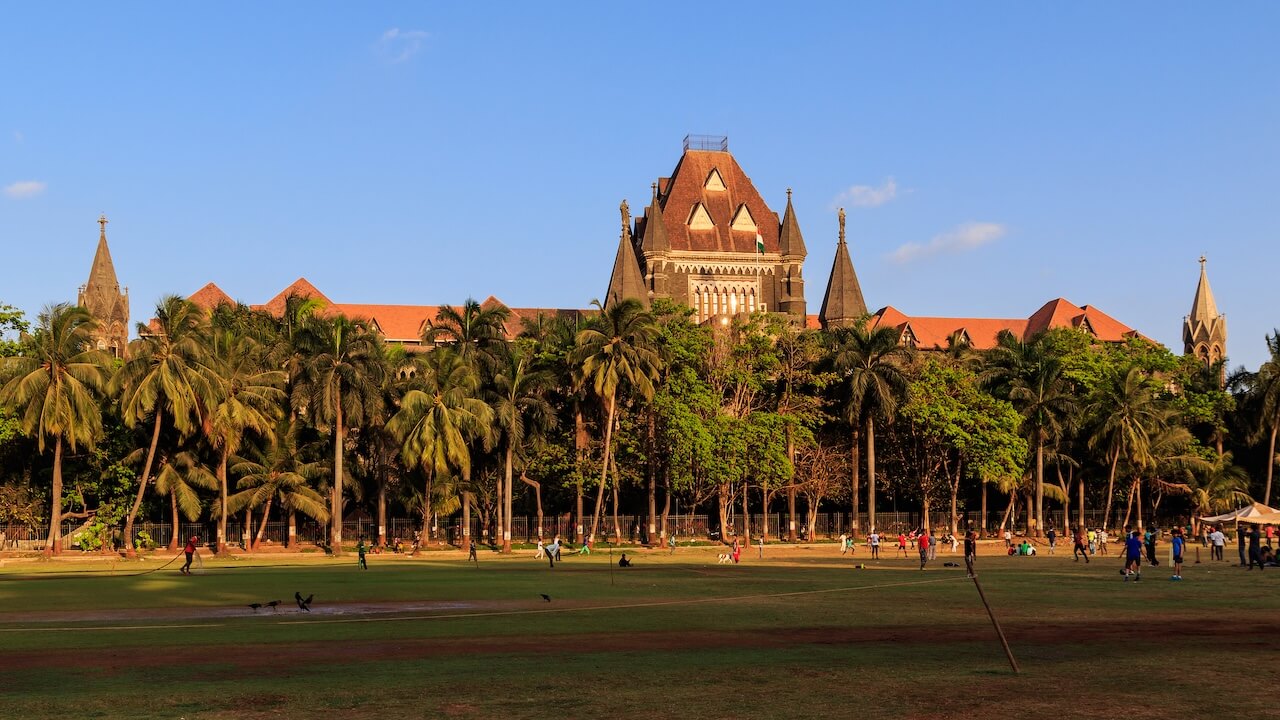
In 2022, arbitration proceedings between the Respondent and the Appellant commenced before a sole arbitrator. The 12-month period (as prescribed in Section 29A(1)) plus the 6-month extended period (as permitted in Section 29A(3)) for the arbitrator to make his award, ended on 20.02.2024. However, the final award was passed on 11.05.2024 i.e. after expiry of the arbitrator’s mandate. No extension of time had been sought before passing of the award.Aggrieved, the Respondent filed an application under Section 34 for setting aside the award on the ground that the arbitrator’s mandate had expired. On the other hand, the Appellant filed an application under Section 29A seeking an extension of the arbitrator’s mandate. By order dated 24.01.2025, the High Court dismissed the Appellant’s Section 29A extension request as not maintainable and allowed the Respondent’s Section 34 petition. The Appellant challenged the High Court’s order dated 24.01.2025 before the Supreme Court.
Issue
The question before the Supreme Court was – whether an application under Section 29A(5)of the Act to extend the arbitrator’s mandate beyond the statutory limit of 18 months, can be entertained when an award has already been passed after expiry of the mandate.
Decision & Reasons
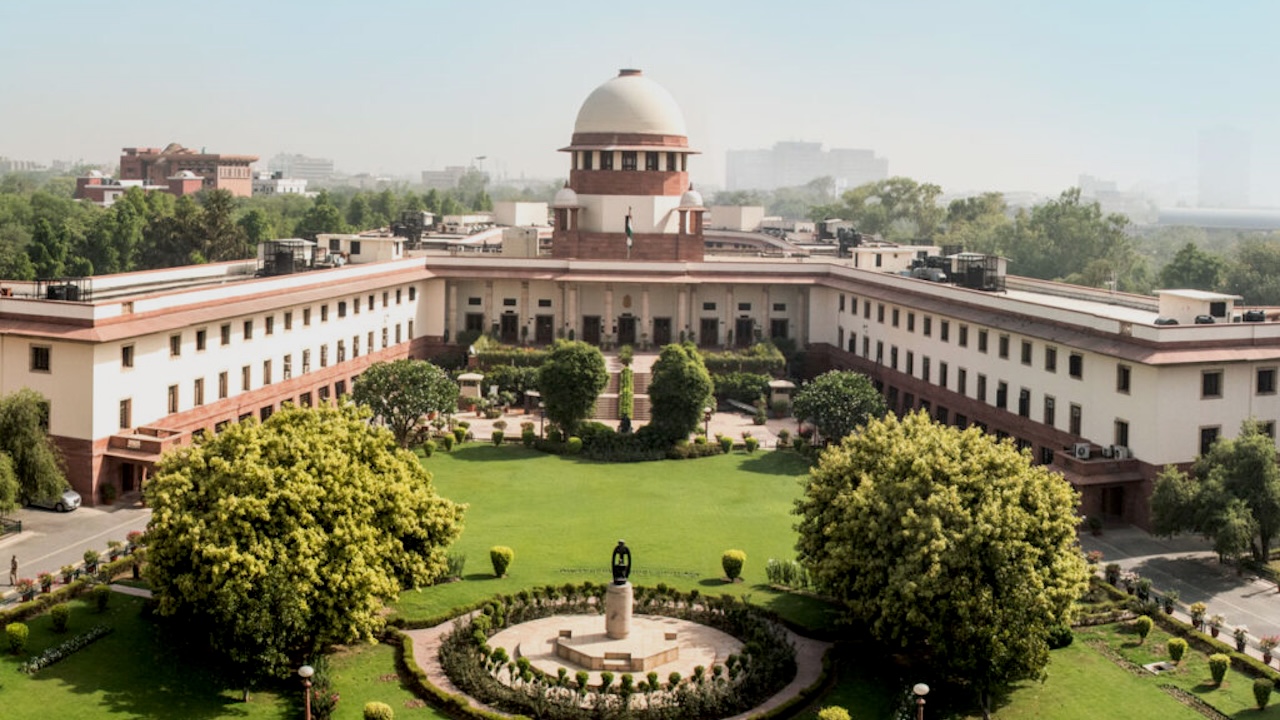
The Supreme Court held that an application under Section 29A(5) for extension of the mandate of the arbitrator is maintainable even after expiry of the time under Section 29A(1) and (3) and even after rendering of an award post expiry.
The Supreme Court reasoned that:
(i) Section 29A of the Act was introduced to deal with the issue of unchecked delays in arbitral proceedings. Accordingly, Sections 29(A)(1) and (3) provide timelines for the mandate of the tribunal to make an award. However, the Courts have thepower to extend the timelines. There is no prescribed time limit for the Courts to exercise such power.
(ii) As per Section 29A(4), the Court can exercise its power to extend the tribunal’s mandate before or after the expiry of the period under Sections 29(A)(1) or (3) of the Act.
(iii) Section 29A does not, in terms, bar an application for extension of the mandate of the arbitrator in the event of delivery of an award.
(iv) The grant of extension of time is not automatic. The Court is required to exercise discretion after evaluating the facts and circumstances. In the event of delays, the Court is empowered to impose costs on the responsible parties. This ensures that the extension of arbitration timelines is not indiscriminate.
(v) An award rendered after expiry of the tribunal’s mandate is ineffective and unenforceable under Section 36 of the Act. However, the Court still has the power to consider an application for extension of the arbitrator’s mandate. Delay in the delivery of an arbitral award, by itself, is not sufficient to set aside that award.
Analysis
Viewed together with the decision in Rohan Builders (supra), the Supreme Court’s decision in C. Velusamy (supra) is best understood as an incremental but important clarification of Section 29A rather than a radical expansion of judicial intervention. Practically, the decision reinforces and protects the arbitral process by ensuring that parties cannot derail or nullify an otherwise legitimate arbitration solely based on a procedural lapse in meeting the statutory timelines. At the same time, the judgment does not license delay. It entrusts Courts with the task of determining “sufficient cause” for extension and scrutinizing delay and imposition of costs, so that the supervisory jurisdiction is exercised in a manner consistent with the objective of efficient and effective dispute resolution under the Act. However, it is worth noting that the real benefits of this framework will materialise only if Courts continue to exercise their Section 29A powers with discretion and with the Act’s pro-arbitration objectives in mind.
Link to Judgment: Click here